
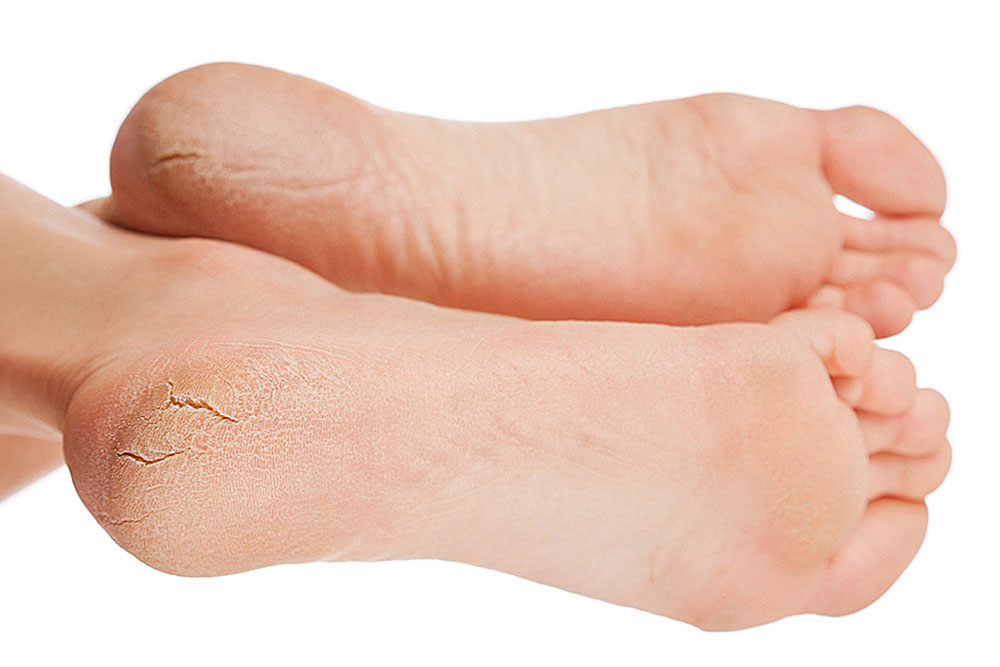
Skin cracks (Fissures)
Skin fissures (ragades, Greek) occur when the elasticity of the skin decreases and the skin is stretched. Fissures on the feet can cause pain both while walking and during rest.
Healthy skin is smooth, elastic, and highly resilient. The development of fissures is usually preceded by hyperkeratosis, which is often accompanied by inflammation. Skin fissures may be superficial, but they can also extend down to the dermis. They may be moist and may even bleed.
Their length may vary from one millimeter to one centimeter or more, and their shape resembles a wedge. On the surface of the skin they appear wider, while deeper in the tissue they become narrower.
Skin fissures develop for various reasons. Most often they are caused by a combination of several factors. They may occur due to excessive keratinization of the skin, hereditary predisposition, or acquired skin defects.
Fissures are generally classified as “moist” or “dry,” which confirms that both excessively moist and excessively dry skin have a tendency to crack.
Moist skin fissures
These fissures often develop due to occupational or environmental factors, such as working in a humid environment or wearing rubber boots (for example, in saunas or greenhouses). They may also be associated with excessive sweating of the feet (plantar hyperhidrosis).
Closed footwear or shoes made from non-breathable materials can worsen the problem. The skin becomes softened (macerated) and eventually cracks. This type of fissure most often appears between the toes and on the soles, especially in the areas of the main toe joints.
“Dry skin fissures
Dry fissures typically occur in dry skin, when the production of sebum is insufficient and sweating is reduced.
This condition is frequently observed in extensive hyperkeratosis of the feet.
Sweating disorders may occur in conditions such as:
- Diabetes mellitus
- Liver diseases
- Certain types of toxic exposure, for example metal poisoning
Skin fissures may also develop due to:
- Psoriasis
- Atopic dermatitis (a skin disease associated with itching and scaling, often linked to allergies)
- Ichthyosis
- Skin aging
Almost all disorders affecting blood circulation and skin nutrition can lead to hyperkeratosis. As a result, the protective barrier of the skin becomes weakened, moisture loss increases, and the skin becomes less resistant to tearing.
Because the skin loses elasticity, fissures may develop. Constant pressure and excess body weight may deepen these fissures and cause them to bleed.
What should be done in case of skin fissures?
There are many treatment methods for foot fissures. They are usually treated using hardware techniques with rotating instruments (special burs and medical milling tools). In some cases, treatment may also involve cutting instruments, such as professional nippers.
It is also important to use specialized cosmetic and therapeutic products that improve skin nutrition and help accelerate healing (such as medicated ointments and therapeutic foot baths).
Most importantly, preventive care should never be neglected to ensure that existing fissures do not worsen and new ones do not develop.
The safest solution is to avoid self-treatment and consult a specialist.
At Estonian Foot Clinic, you will receive fast and high-quality treatment for skin fissures, as well as professional advice on further care. You will also have the opportunity to purchase specialized foot care products from the world-renowned German brand BAEHR.