
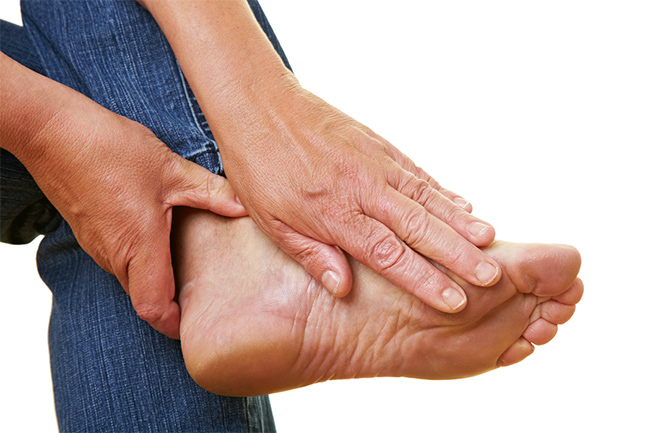
Foot health in diabetes
Diabetes mellitus is one of the most widespread chronic diseases worldwide. Today, it is estimated that around 400 million people globally live with diabetes.
Diabetes is a metabolic disorder caused by insufficient production or impaired use of insulin, a hormone produced by the pancreas. Insulin allows the body to convert glucose (sugar) into energy.
When blood sugar levels remain elevated for a long time, diabetes may lead to serious complications affecting the heart, brain, blood vessels, eyes, kidneys, and limbs. These complications may result in conditions such as heart attack, stroke, gangrene, or vision loss.
Diabetic Foot Syndrome
One of the most serious complications of diabetes is diabetic foot syndrome.
In about 50% of cases, diabetic foot develops due to damage to the nerves and nerve endings in the legs and feet. Early symptoms often include:
- Tingling sensations
- “Pins and needles” in the feet
- Reduced skin sensitivity
In approximately 25% of cases, diabetic foot is caused by impaired blood circulation in the lower limbs, which can lead to tissue damage, necrosis, and gangrene.
Diabetic foot develops gradually. It is the result of combined disorders affecting the blood vessels, joints, peripheral nerves, skin, and soft tissues of the feet. Over time, ulcers and purulent wounds may form, and the bone and joint structures may become damaged.
About 15% of people with diabetes develop foot ulcers, and in roughly 25% of these cases, the condition may ultimately lead to amputation.
Why professional foot care is essential for diabetic patients
People with diabetes are not always able to fully monitor the condition of their feet, especially if nerve damage has already reduced sensitivity.
For this reason, regular visits to a professional podiatrist are strongly recommended. Neglected foot problems can quickly lead to serious complications.
However, diabetic patients require specialized medical foot care.
A traditional cosmetic pedicure is not recommended, as it often includes soaking the feet and the use of sharp instruments, which may cause injuries. Even minor skin damage can become dangerous for diabetic patients.
Proper foot care for people with diabetes requires special knowledge, experience, and medical training. A qualified podiatrist can detect early changes in the skin and nails and help prevent severe complications.
Common foot changes in diabetes
People with diabetes frequently experience changes in the skin and nails of the feet.
These changes are mainly related to fluctuations in blood glucose levels.
When blood sugar is poorly controlled, the body loses fluids, which can lead to:
- Dry, thin, and fragile skin
- Scaling and cracking
- Persistent itching
- Slow wound healing
At the same time, the immune system becomes weaker, making the skin more vulnerable to bacterial and fungal infections.
Damage to the nerves of the feet (diabetic neuropathy) may also occur. In this case, patients may no longer feel:
- Pain
- Heat
- Cold
Because of this loss of sensation, injuries or wounds may go unnoticed.
Diabetes also affects blood circulation. Reduced blood flow to the feet slows the healing of cracks and wounds, increasing the risk of infection.
Even a minor injury to the foot can potentially lead to severe complications if not treated properly.
In about 3% of diabetic patients, trophic ulcers may develop, sometimes starting from small skin injuries such as scratches, cuts, or friction from shoes.
Increased risk of fungal infections
Due to changes in skin condition and weakened immune defenses, people with diabetes are more susceptible to fungal infections of the skin and nails.
Maintaining stable blood glucose levels helps improve the skin’s ability to heal and reduces the risk of complications.
Professional diabetic foot care at Estonian Foot Clinic
At Estonian Foot Clinic, our certified and experienced podiatry specialists provide professional care and consultation for patients with diabetes.
We offer:
- Professional medical pedicure for diabetic patients
- Early detection of skin and nail changes
- Treatment of cracked heels, corns, and nail problems
- Prevention and care of diabetic foot complications
- Advice on daily foot care and prevention
Our goal is to help patients maintain healthy feet, prevent complications, and improve quality of life.
Before
After
